







Search Results for: new strawberry product
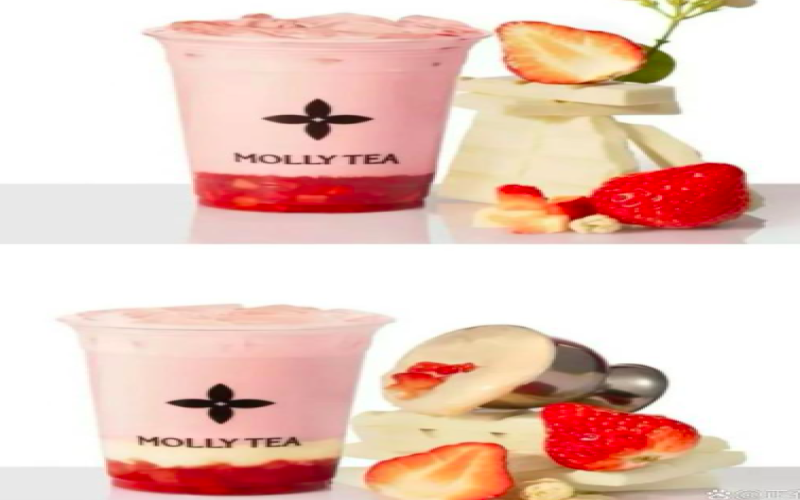
Jasmine Naibai Strawberry New Product Fails to Match Promotion, Consumers Question Inconsistency Between Description and Reality
The limited-edition drinks "Strawberry White Chocolate" and "Strawberry White Chocolate Rice Mochi," launched in collaboration between Molly Tea and *Barbie*, sparked consumer complaints due to a massive discrepancy between the actual product and the official promotional images. The promotional image showed a thick layer of strawberry chunks filling the bottom of the cup, but the drinks customers actually received contained so little fruit that it was barely noticeable. Some customers strained out the fruit with a sieve and put it back into the cup, only to find the actual portion fell far short of the poster. The store explained that, because customers had complained the fruit pieces were too large and hard to sip, the strawberries had been mashed, and that shaking during delivery would also cause the fruit to mix with the liquid. However, the official promotional image carried no disclaimer such as "actual product may vary," leading consumers to suspect false advertising and demand refunds. Reporters from this publication visited two stores in Wuhan, placed orders, and conducted hands-on tests, confirming that the actual product indeed did not match the promotion. [more…]
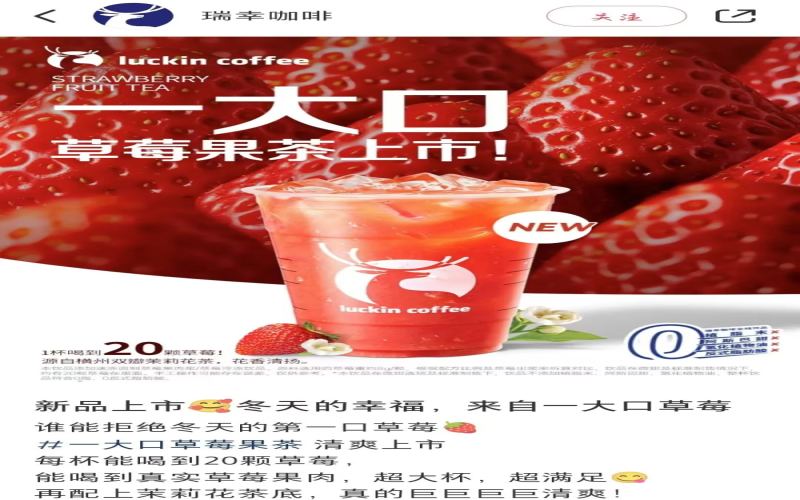
Luckin's Strawberry Fruit Tea claim of 20 strawberries sparks controversy; consumers say it's actually made with jam, causing a big gap in taste
Strawberry season has arrived, and major chain brands are rolling out seasonal limited-edition drinks one after another. Luckin has also jumped on the bandwagon with its Big Gulp Strawberry Fruit Tea, officially claiming that each cup contains 20 strawberries. However, after receiving the product, many consumers discovered that the drink was made from strawberry jam, far from the fresh fruit tea they had expected, and complaints have been flooding social media. The promotional approach of livestream hosts holding fresh strawberries stands in sharp contrast to the thick jam actually used in stores, sparking customer doubts about the truthfulness of the marketing. This article will sort through the ins and outs of the incident, present consumer feedback and the brand's response, and explore Luckin's consistent ingredient strategy for its fruit tea products. [more…]
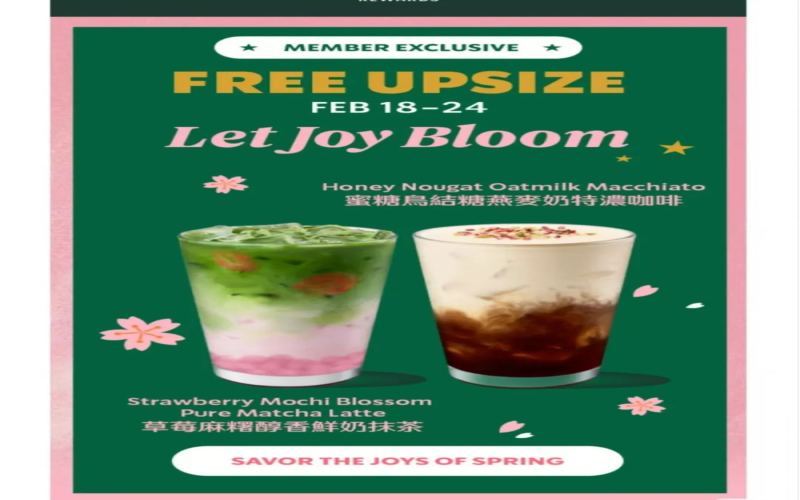
Starbucks Strawberry Mochi Matcha Latte Meets a Chilly Reception in Hong Kong and Macau: Paper Cup Presentation Falls Flat, Mochi Clogs Straws and Sparks Debate Over Texture
Spring new arrivals season: Starbucks Hong Kong and Macau stores launched a Strawberry Mochi Creamy Fresh Milk Matcha. The pink-and-green color scheme and freeze-dried strawberry garnish on the poster won over many looks-focused customers, who placed orders on impulse. However, due to Hong Kong's plastic restriction policy, cold drinks can only be served in white paper cups, creating an obvious gap between the real product and the promotional photo. Some consumers quipped that it looked like "green curry soaked chili peppers." Even more unexpectedly, although the mochi pearls were small in size, the stores did not provide wide-bore straws, so the mochi frequently clogged during drinking, leaving customers in a dilemma. As for taste, feedback was equally polarized—some found it too sweet, while others felt the matcha and strawberry flavors were almost absent. This new product was launched simultaneously in Singapore, Malaysia, and other places, with reviews almost identical to those in Hong Kong. This article compiles the real experiences of the first batch of tasters for the reference of coffee enthusiasts. [more…]
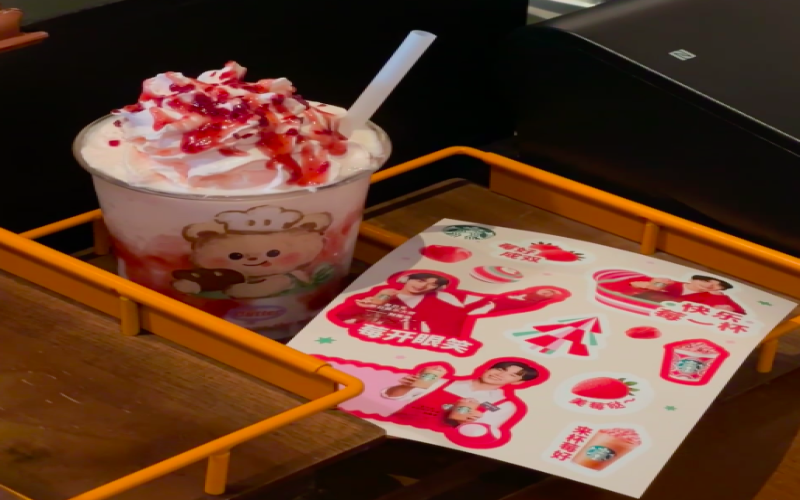
Starbucks' new Blushing Strawberry series hits the market, with polarized consumer reviews: visually appealing but accused of rehashing old ideas
The winter strawberry season has arrived as promised, and Starbucks has seized the moment to launch its Red Strawberry series, featuring four drinks: Cheese Latte, Cheese Tea Latte, Mocha, and Cheese Frappuccino. With pink whipped cream topped and red sugar crystals, the visual appeal is undeniably eye-catching, and buying any of them also gets you a limited-edition sticker designed by holiday ambassador Henry Lau. Yet the first wave of consumer feedback has been sharply divided: on one side is the enthusiasm for photo ops, and on the other, complaints about it being "cloyingly sweet" and having an "artificial flavor." Some longtime customers have even noticed that the series is highly similar in recipe to the Strawberry Coconut Frappuccino that was discontinued half a year ago, questioning whether the brand is just repackaging the same old thing. Starbucks' Christmas season marketing this year doesn't seem to have won the same acclaim as last year's Red Fuji series. [more…]
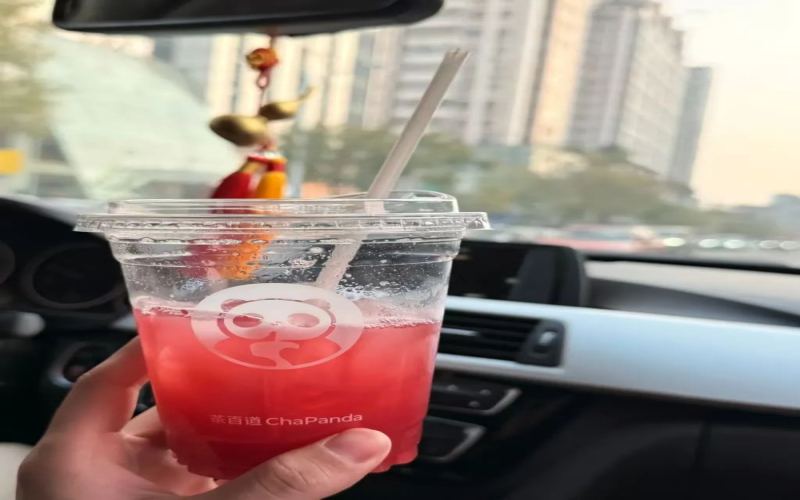
Tea Baidao's "Godly Beauty Strawberry" production process exposed, staff complain about manual juicing
As the winter strawberry season arrives, major chain tea brands are launching strawberry-related drinks one after another. ChaPanda has brought back its signature strawberry drink in response to fan demand, while also keeping up with the fruit-and-vegetable juice trend by launching a strawberry version of its Light & Refreshing Kale drink and a brand-new item, Divine Beauty Strawberry. Among them, Divine Beauty Strawberry is made fresh with ingredients such as roselle, strawberries, and pineapple, and has been dubbed a "natural liquid blush" by the official brand, attracting many consumers to try it. However, a production video released by an employee revealed the cumbersome and labor-intensive manual juicing process behind this drink—a full pot of ingredients can yield only two cups after manual squeezing, and the filter bags frequently burst from the pressure, prompting collective complaints from staff. The inefficient production method has also led some netizens to worry about hygiene conditions. [more…]
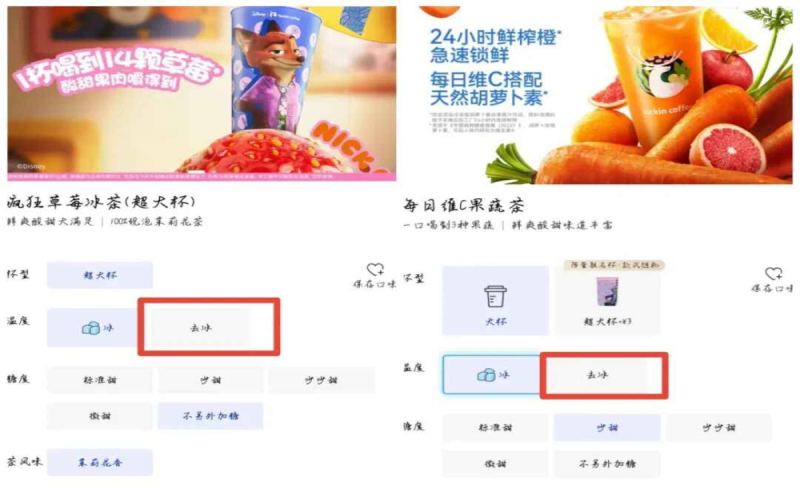
Luckin's ordering interface adds a no-ice option, but fans are surprised to find the taste has become weaker.
When Luckin Coffee launched its new strawberry series in collaboration with "Zootopia 2," many fans noticed that a "no ice" option had quietly appeared on the ordering interface. You see, Luckin has long been criticized for serving "half a cup of ice," with consumers even adding notes like "want XX ice cubes" just to get less ice. Now that the company has finally offered an option, it has raised a new question: will the ingredients be topped up after removing the ice? An employee revealed that what gets added depends on the main ingredient—milk for lattes, tea for fruit and vegetable teas, while the main ingredient of strawberry iced tea is water, so it naturally tastes bland after the ice is removed. In addition, during peak hours, some staff still miss the labels and mistakenly add ice, so consumers are advised to give timely feedback and ask for a remake. Front Street Coffee is also paying attention to how this change affects the drinking experience. [more…]

Starbucks Frappuccino launches another limited-edition new item, five ready-to-drink beverages on the same stage draw employee complaints like filling prescriptions
Starbucks Frappuccino has once again launched seasonal limited-edition new products—Mango Double Star Frappuccino and Raspberry Strawberry Frappuccino. Both drinks use a coconut-flavored concentrated base, involving five pre-made fruit beverage ingredients in total, and the production process is relatively cumbersome. Combined with the buy-one-get-one-free promotion on the啡快 mini-program, the new products quickly sparked a tasting frenzy, but also left baristas under the pressure of a flood of orders exclaiming that it was "like filling prescriptions in a pharmacy." This article will take you through the ingredient composition of these two new products, the difficulty of making them, and the real feedback from employees and consumers, while also reviewing Starbucks' pace of new releases so far this year. [more…]
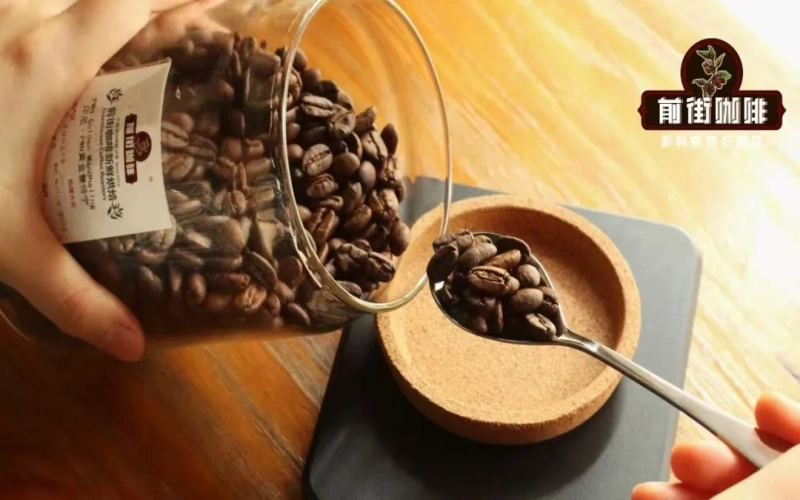
How Should You Blend Coffee Beans? A Purpose-Driven Guide to Pre-Roast and Post-Roast Blending with Front Street Coffee's Practical Recipes
Blending is not simply mixing a few beans together; it can both deliver consistent output and create entirely new flavor experiences where one plus one is greater than two. This article begins with the purpose of blending, explains how to select base beans and ratios according to the desired flavor or mouthfeel, and points out that similar roast levels are the key to successful blending. It also draws on two products—Front Street Coffee Strawberry Candy · Geisha Blend and Front Street Coffee Strawberry Candy · Espresso—to break down the differences between pour-over blends and espresso blends in bean selection and roasting, and finally includes adjustment ideas for brewing parameters and two sets of blending recipes commonly used by Front Street Coffee, for coffee lovers to reference and practice. [more…]
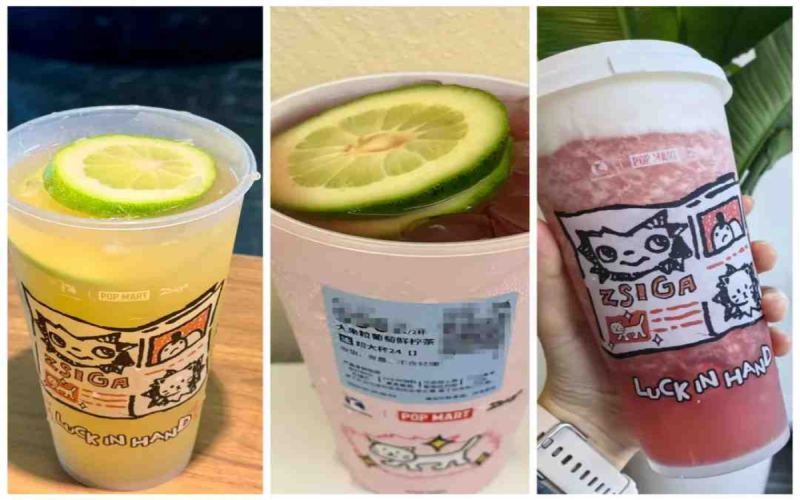
Luckin Regional Limited Release of Freshly Cut Fruit Drinks, Stores Add Slicing Tools Sparking Heated Discussion Among Employees and Consumers
Luckin Coffee recently launched region-exclusive new products in Shenzhen and Chengdu respectively. In Shenzhen, these include "Daily Fresh Lemon Tea," "Large Fruit Grape Fresh Lemon Tea," and "Fragrant Lemon Jasmine Americano," while Chengdu introduced "Snow Cheese Berry Berry." Unlike the previous use of freeze-dried fruit pieces, these new products incorporate fresh fruit handled on-site at the stores. The three lemon drinks in Shenzhen include lemon slices cut fresh the same day, and the Chengdu new product adds washed fresh strawberries. This change has raised consumer questions about whether stores are equipped for fresh cutting, and subsequently, Luckin employees in both locations posted photos of the delivered fruit and newly equipped fruit slicers as proof. However, employees in non-limited regions generally avoided commenting on this, and online reviews showed polarized opinions. [more…]
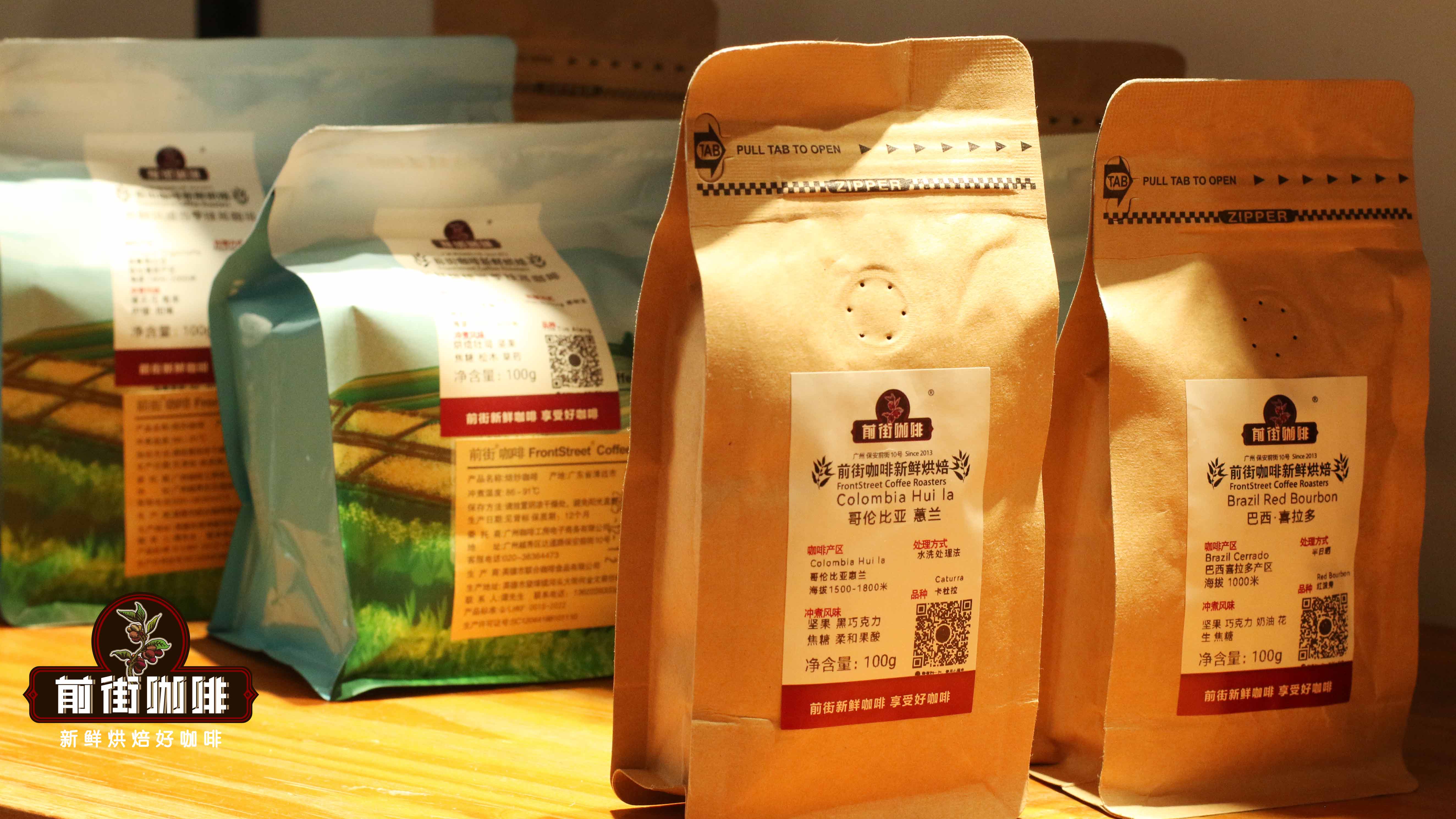
2026 Global Premium Coffee Bean Brand Roundup: A Full Analysis of Single-Origin Beans from Ten Top Producing Regions
In the world of coffee, origin, variety, and processing method together shape the unique flavor of every cup. This article reviews the top ten selected coffee bean brands worldwide for 2026, covering classic single origins such as Panama Hacienda La Esmeralda Red Label Geisha, Jamaica Blue Mountain No. 1, Indonesia Golden Mandheling, Ethiopia Yirgacheffe and Huakui, Kenya Little Tomato, Costa Rica Strawberry Candy, Yunnan Small-Bean, Brazil Queen Farm, and Papua New Guinea Bird of Paradise. Each bean is described in detail across dimensions including origin, estate or cooperative, growing altitude, processing method, variety, and flavor. All products listed in this article come from Front Street Coffee's existing product line. The brand emphasizes coffee bean freshness, promising shipment within 24 hours and that all beans are roasted within 5 days, providing coffee lovers with a reliable choice. [more…]
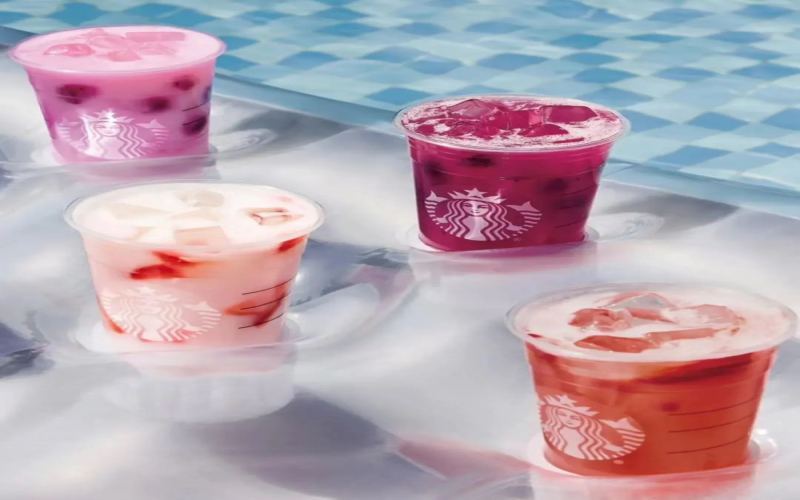
Starbucks Pink Drink Gets Roasted on Its First Day in China: Does the Pink "Raw Caffeine" Actually Contain Coffee?
Starbucks' Pink Drink caused quite a stir on its first day of release in China, with many consumers reporting that its taste differs noticeably from versions in other regions—some even complaining it tastes like medicine. Meanwhile, another new release in the same series, the Pink Berry Lemonade Refresher with "raw coffee," also came under scrutiny for its taste. What's even more confusing is that the words "raw coffee" in the product name led many people to assume the drink would have a coffee flavor, when in fact no coffee taste can be detected at all. This article compiles real feedback from netizens and takes a deep dive into what "raw coffee" actually refers to, and why you can't taste any coffee in this drink. [more…]
Starbucks Faces Class Action Lawsuit Over Fruit Beverage Ingredient Controversy, Brand Naming and Actual Ingredients Draw Scrutiny
Starbucks' fruit cold drink series recently faced a class action lawsuit in New York, where a Queens consumer alleged that the product names imply the inclusion of specific fruits, while they are actually mainly composed of water, concentrated grape juice, and sugar. The lawsuit argues that the product naming constitutes an "implied promise" about the ingredients, violating New York regulations that prohibit fraud and false advertising. The products involved include the Mango Dragonfruit, Pineapple Passionfruit, Strawberry Acai series, among others, with the disputed amount exceeding $5 million. Starbucks headquarters stated it has not yet received the lawsuit and declined to comment for now. The incident has sparked widespread discussion about the authenticity of beverage labeling and consumer expectations. Front Street Coffee continues to monitor trends in the coffee and beverage industry, providing professional information for enthusiasts. [more…]
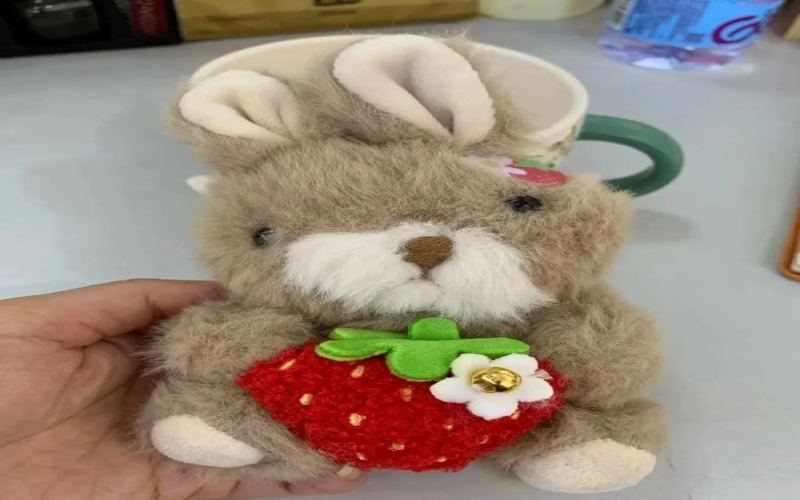
Starbucks Strawberry Bunny Mug: Real Product vs. Promotion Discrepancy Sparks Heated Debate Over Plush Quality Control
In Starbucks' recently launched Berry Good Times collection, a mug that comes with a rabbit plush toy quickly went viral thanks to its adorable design, and it was even briefly out of stock on e-commerce platforms. However, consumers who received the first batch of products discovered that the actual plush toy looked vastly different from the official poster, and a flood of complaints and jokes soon appeared on social media. Some joked that this was the difference between a "996 work rabbit" and a "fresh graduate rabbit," while others said that quality control failures on Starbucks plush merchandise are nothing new. This discussion sparked by a single rabbit not only reflects fans' expectations for brand merchandise, but also reveals consumers' complicated attitude toward the gap between emotional value and product quality. [more…]
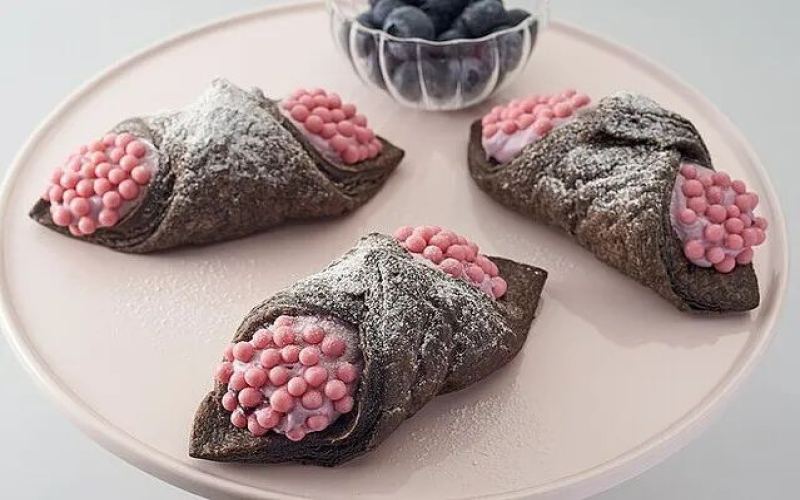
New Japanese Starbucks product sparks heated discussion over its appearance, with netizens saying it looks like apple snail eggs and Ohmu
Starbucks has consistently won consumer favor with its beverage and merchandise designs, but a new cream pie recently launched by Starbucks Japan unexpectedly sparked controversy online. This dessert, featuring a cocoa crust wrapped around blueberry cream and garnished with strawberry-powder pearl chocolate, trended on Twitter because netizens pointed out its appearance closely resembles apple snail eggs or the Ohmu from "Nausicaä of the Valley of the Wind." Despite the appearance triggering trypophobia-style complaints, some adventurous tasters said it actually tastes good. This article reviews the official introduction of this new product, netizen reactions, and several past aesthetic missteps in Starbucks history. At the end, professional coffee knowledge exchange channels and Front Street Coffee recommendations are included. [more…]
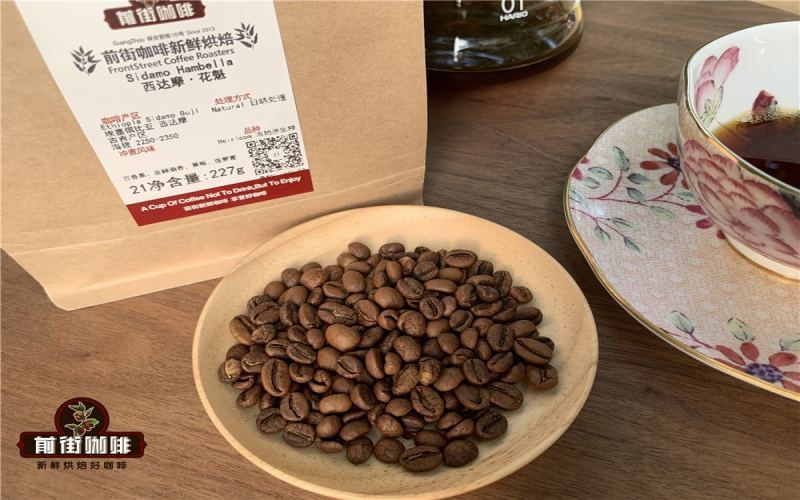
Ethiopia Guji Hambela Huakui Coffee Beans Flavor Analysis and Pour-Over Parameter Guide
Huakui coffee beans are a gem from Hambela in the Guji region of Ethiopia. With a stunning strawberry-cream flavor, they won the 2017 TOH competition and were subsequently named "Huakui" by a domestic green bean merchant. These beans come from the Buku Abel processing station and use the natural processing method. Fully red cherries with a sugar content above 30 are dried on African raised beds, creating a sweeter taste than other Sidamo producing areas. From 1.0 to 6.0, the Huakui series is updated every year, and the flavor has gradually evolved from intense strawberry to a full-bodied profile of citrus berries and mango juice. Front Street Coffee has long tracked each version of Huakui. This article will comprehensively sort out the origins and development of these beans for coffee lovers, from producing-area background, processing techniques, and variety characteristics to version distinctions, brewing suggestions, and flavor descriptions. [more…]

New Season Sidamo Natural Huakui 7.0 Coffee Bean Flavor Analysis and the Reveal of Hambela Huakui's Origins
Every year before the new-crop Huakui coffee beans arrive at port, the domestic coffee community is already abuzz with discussion. In May 2023, Huakui 7.0 officially arrived in China, yet it sparked considerable skepticism: Why doesn't it taste like "Huakui"? Why do the flavors lean toward Yirgacheffe? Is it still Huakui if it's not from the Buku Abel processing station? This article starts from the origins of Huakui, traces how the 2017 TOH championship batch got its name, analyzes the relationship between Buku Abel village and the surrounding processing stations, explains the flavor expression of Huakui 7.0 and the typical characteristics of Sidamo natural beans, and shares Front Street Coffee's roasting and cupping results for this batch of new beans. [more…]
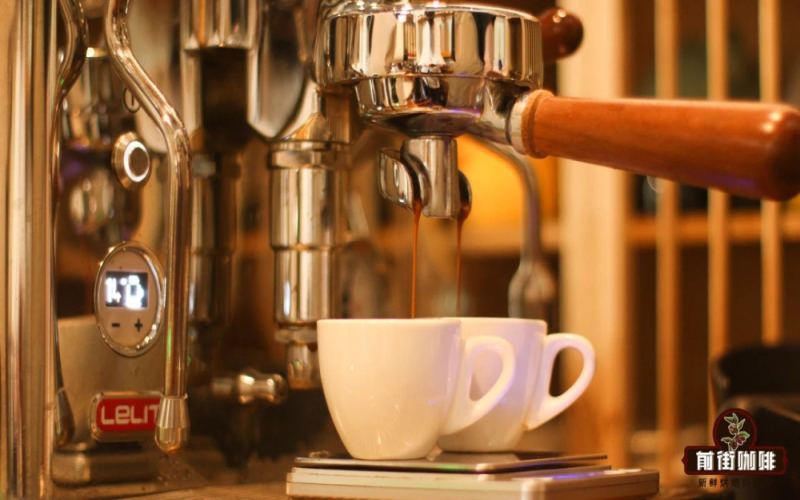
A Detailed Guide to Coffee Bean Recommendations and Operating Procedures for Home Automatic Coffee Machines
Fully automatic home coffee machines have become the preferred choice for many households and office settings thanks to the convenience of one-touch grinding and brewing. But for users new to this type of machine, there are often many questions about how to choose suitable coffee beans and how to operate the machine correctly. From the perspective of Front Street Coffee, this article systematically sorts out the categories of fully automatic coffee machines and offers specific bean recommendations for different flavor preferences, covering single-origin coffees such as Front Street Flower Queen, Strawberry Candy, and Bird of Paradise, as well as two espresso beans: a specialty blend and Strawberry Candy Espresso. It also breaks down in detail the complete process from preparation, powering on and setup, adding beans and water, to finishing the brew and cleaning and maintenance, helping readers get up to speed quickly so they can consistently make a good cup of coffee at home. [more…]
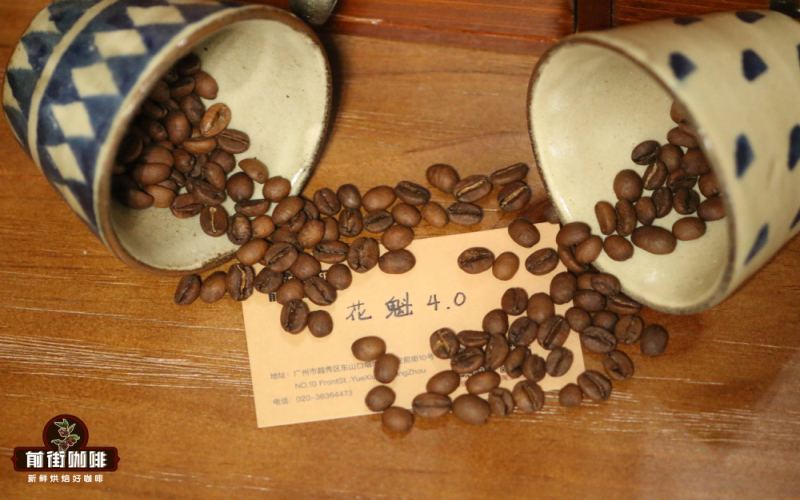
Flavor Analysis of Ethiopia Guji Hambela Hambela Coffee: Examining the Flavor Evolution of Dega Varieties Through Hambela 4.0
Since winning the championship in 2017, Huakui coffee has captured the hearts of many coffee lovers with its strawberry and cream-like aroma. From its first generation to version 4.0, this natural-process bean from the Guji Hambela region of Ethiopia has undergone variety changes and production-area expansion, and its flavor has changed accordingly. This article will systematically sort out the origin story of Huakui, methods for identifying the real from the fake, the characteristics of the Dega variety, and Front Street Coffee's roasting and brewing practices, taking you through a comprehensive understanding of exactly how Huakui 4.0 differs from previous generations, and how to brew a cup of richly layered Hambela natural coffee at home. [more…]
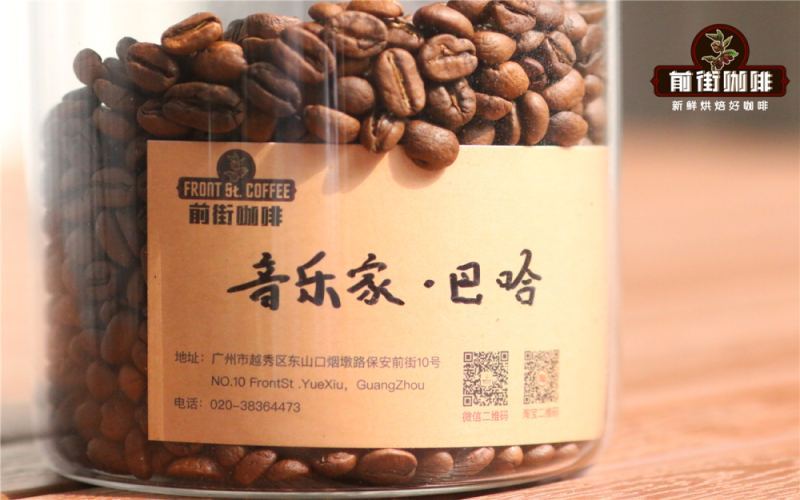
Where in Costa Rica is Front Street Bahia coffee produced? Why does raisin honey processing bring high sweetness?
Front Street Musician Series Bach is a coffee bean from the Tarrazú region of Costa Rica, processed using the raisin honey method, showcasing rich fruity aromas of strawberry, blackberry, and raisin with a wine-like fermented charm. This article will start from the origin information, processing techniques, flavor performance, and products in the same series to analyze the source of sweetness in Bach coffee beans, and introduce the technical characteristics of raisin honey processing, as well as the H1 variety and anaerobic honey processing technique used in the 2020 new crop season of Front Street Mozart. [more…]
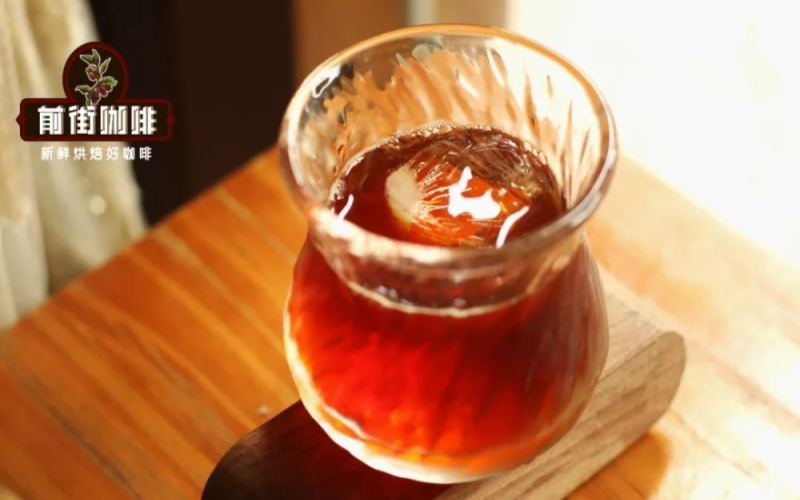
Fruit-Infused Cold Brew Coffee Pairing Experiments: Four Recipes, Flavor Comparison, and a Coconut Cold Brew Latte Recipe
Under the framework of cold brew coffee's low-temperature slow steeping, there are inherently few adjustable variables—just water volume, water temperature, grind size, and steeping method. But if fruit is brought into the steeping process as well, could it open up new flavor territory? Front Street paired blueberries, grapes, lemons, and peaches with four coffee beans of different character profiles, ran a round of fruit cold brew experiments, and recorded the aroma, mouthfeel, and pros and cons of each group. In addition, it extended into mixing ideas for cold brew lattes, sparkling cold brew, and coconut water cold brew, and summarized the types of fruit suitable for steeping and the direction for choosing coffee beans, as a reference for recreating them at home. [more…]